Introduction to Planetary Influence in Palmistry
If you’ve ever spent 20 minutes scrolling TikTok palm reading videos trying to figure out if that little line on your wrist means you’re going to win the lottery, you’re already halfway to understanding the appeal of planetary palmistry. This ancient practice isn’t some random party trick—it’s a 5,000-year-old fusion of astrology and palm reading that dates back to Mesopotamia, spread through ancient Greece and Rome, and was even studied by medieval European scholars alongside astronomy and medicine.
Its core philosophy comes from the Hermetic principle “as above, so below”: the same celestial energies that shape the cosmos, guide planetary transits, and inform your natal chart leave a unique, evolving blueprint on the palms of your hands from the moment you’re born. Unlike fixed natal charts, though, your palm shifts over time as you make choices, face challenges, and lean into your strengths, making it a live-updating cosmic user manual for your life.
It’s not about predicting a fixed future, either. Planetary palmistry is a tool for self-discovery: it helps you spot your innate superpowers, identify blind spots that are holding you back, and align your choices with the energy you already carry. Think of it as getting a personalized playbook for how to show up as your best self, written right into the lines of your hand.
Key Planets and Their Corresponding Hand Markings
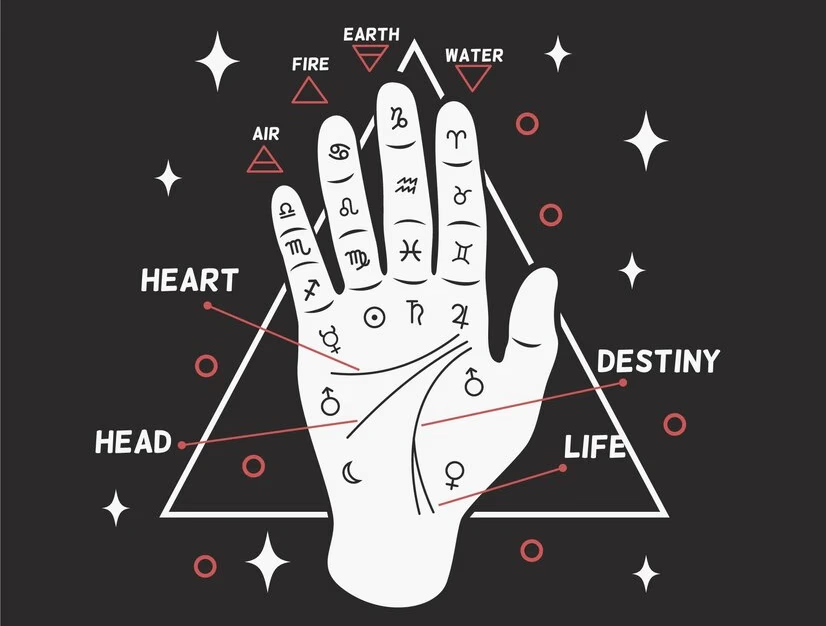
Every part of your palm is linked to a specific planet, starting with the “mounts” — the soft, fleshy pads across your palm that act as planetary seats of power. Think of them as little planetary couch cushions: the plumper they are, the more that planet likes to hang out in your energy field.
The Mount of Jupiter sits right under your index finger, linked to ambition, leadership, and expansion. If it’s full and raised, you’re probably the friend who plans all the group trips, speaks up in meetings without hesitation, and has a running list of side hustle ideas. If it’s flat, you likely prefer to work behind the scenes and hate being the center of attention.
Under your middle finger is the Mount of Saturn, the planet of wisdom, discipline, and karma. A plump Saturn mount means you’re the person who sticks to a savings plan for three years to buy a house, or spends months perfecting a skill before showing it to anyone. If it’s overdeveloped, though, you might be a little too hard on yourself, falling into perfectionist spirals over tiny mistakes.
Under your ring finger is the Mount of Apollo (also linked to the Sun), ruling creativity, success, and vitality. A full Apollo mount means you’re probably the friend who posts viral pottery Reels, sings at open mic nights, or lights up every room you walk into. A flat mount doesn’t mean you’re not creative — it just means you prefer to make art for your own joy, not for public praise.
Under your pinky finger is the Mount of Mercury, linked to communication, intellect, and commerce. If it’s raised, you can talk your way out of a speeding ticket, nail every job interview, and sell ice to an Eskimo. If it’s overdeveloped, you might have a tiny habit of stretching the truth to make a story more interesting.
We have two Mounts of Mars: Positive Mars sits under the Jupiter mount, ruling active courage and quick thinking (if it’s raised, you’re the person who runs to help when someone trips in the grocery store), while Negative Mars sits under the Mercury mount, ruling repressed anger and resilience (a raised Negative Mars means you probably hold grudges for years, but you bounce back from hardship faster than anyone else).
On the edge of your palm opposite your thumb, near the wrist, is the Mount of the Moon, ruling intuition, imagination, and the subconscious. If it’s plump, you always know when a friend is upset before they text you, and you have extremely vivid dreams that often come true. If it’s overdeveloped, you might spend more time daydreaming about your ideal life than actually living it.
Finally, the big fleshy pad at the base of your thumb is the Mount of Venus, ruling love, sensuality, and vital energy. A full Venus mount means you’re super affectionate, love giving gifts, and prioritize quality time with the people you care about. A flat mount just means you need lots of alone time, and you hate when people invade your personal space.
These planetary energies also show up in your major lines: your heart line is linked to Venus and the Moon, your head line to Mercury and Saturn, your life line to Mars and Venus, and your fate line to Saturn and Jupiter. Even your hand shape carries planetary signatures: fiery, short-fingered square palms are ruled by Mars and the Sun, while soft, rounded palms with long, thin fingers are ruled by the Moon and Venus.
Methods for Interpreting Cosmic Secrets in the Palm
Reading your own palm for planetary influence is easier than you think, as long as you follow these simple steps:
Step 1: Start with dominant vs. non-dominant hands. Your non-dominant hand shows your innate, birth-given potential and subconscious patterns, while your dominant hand shows the choices you’ve made to shape that potential. If you’re right-handed, your left hand is what you were born with, your right is what you’ve built for yourself.
Step 2: Identify your dominant mounts. Gently press each of the seven mounts with your thumb. The ones that feel the plumpest, firmest, and most raised are your leading planetary energies. You might have one dominant mount, or a mix of two or three that work together: for example, a dominant Jupiter and Apollo mount means you’re a natural creative leader, perfect for roles like marketing director or small business owner.
Step 3: Decode special markings. Little stars, crosses, squares, or chains on your mounts carry extra planetary meaning: a star on the Saturn mount means you’ll have a big karmic career win later in life, a cross on the Mount of the Moon means you have strong prophetic abilities, and a square on the Venus mount means you’ll face a relationship challenge that ultimately helps you build stronger, healthier boundaries.
Step 4: Synthesize, don’t fixate on single markings. A plump Venus mount doesn’t automatically mean you have a perfect love life. If your heart line has lots of small breaks, that means your natural affection has been impacted by past heartbreaks, making you hold back from new relationships. Always connect markings across mounts and lines to get the full picture.
Step 5: Factor in timing and transits. You can map age ranges across your palm (the base of the life line is childhood, the middle is midlife, the top is old age) to see when planetary transits will impact you most. If Saturn is transiting your natal 10th house of career, you might see a small mark on your Saturn mount or fate line at the corresponding age, letting you know that transit is actively shaping your career path.
Practical Applications for Personal Insight and Growth
The best part of planetary palmistry is that it’s not just abstract — you can use its insights to make real, positive changes in every area of your life.
For relationship dynamics, compare your Venus, Moon, and Mars mounts with your partner’s. If both of you have plump Venus mounts, you’ll probably bond over shared affection and cozy date nights. If one of you has a dominant Mars mount and the other has a dominant Moon mount, you might clash often because one is impulsive and the other is highly sensitive — knowing that ahead of time lets you build communication habits that meet both of your needs.
For career guidance, look to your Jupiter, Saturn, and Mercury mounts. If all three are dominant, you’d thrive in structured, leadership roles like law, finance, or project management. If your Apollo and Jupiter mounts are most raised, creative fields like content creation, design, or performance will let you shine.
Even for health and wellbeing, planetary mounts give helpful clues. An overdeveloped Mars mount often correlates with high stress levels, and as Mayo Clinic notes, chronic stress is a top contributor to hypertension. If your Mars mount is raised, prioritizing 10 minutes of meditation a day can help you lower that risk. An underdeveloped Venus mount might mean you’re not prioritizing joy, so scheduling regular self care days can boost your overall mood.
For spiritual growth, markings on the Mount of the Moon mean you should lean into intuitive practices like tarot or dream journaling, while marks on the Saturn mount mean you’d benefit from shadow work to work through past karmic patterns. Once you’ve mapped all your planetary markings, you can create your own personal cosmic blueprint: a list of strengths to lean into, challenges to work through, and goals that align with your unique energy.
Connecting Palmistry with Broader Astrological Concepts
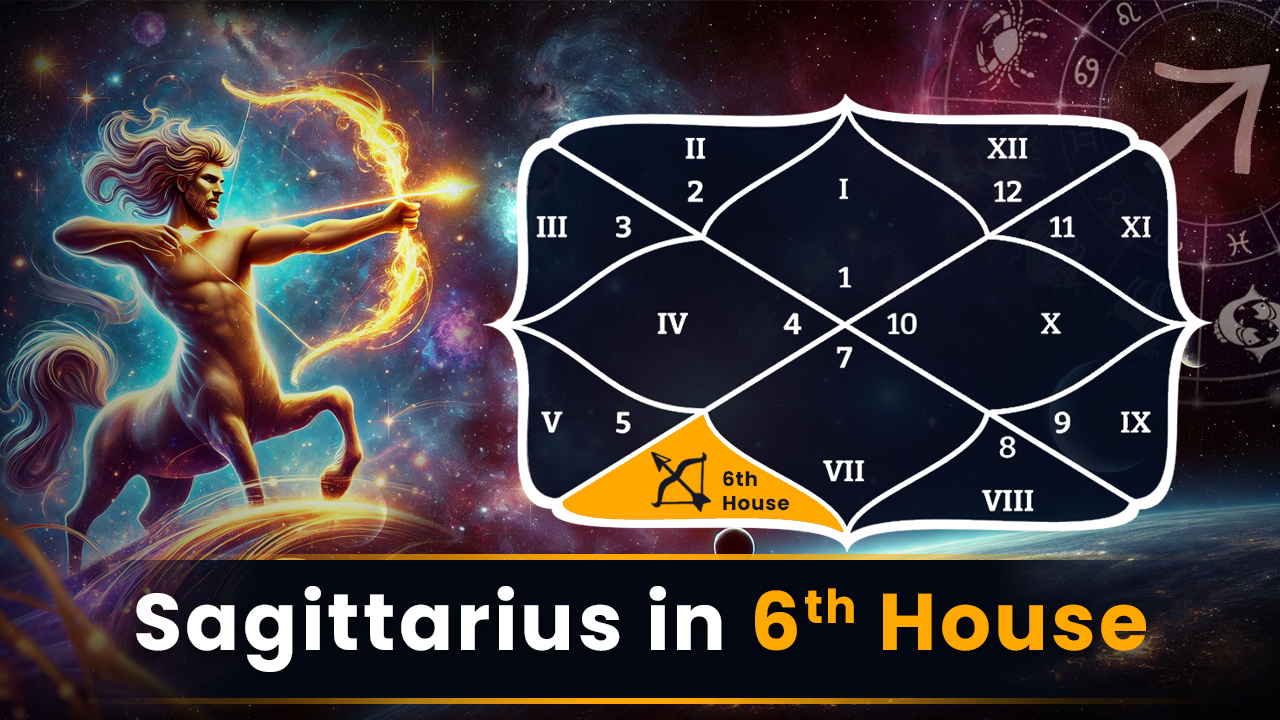
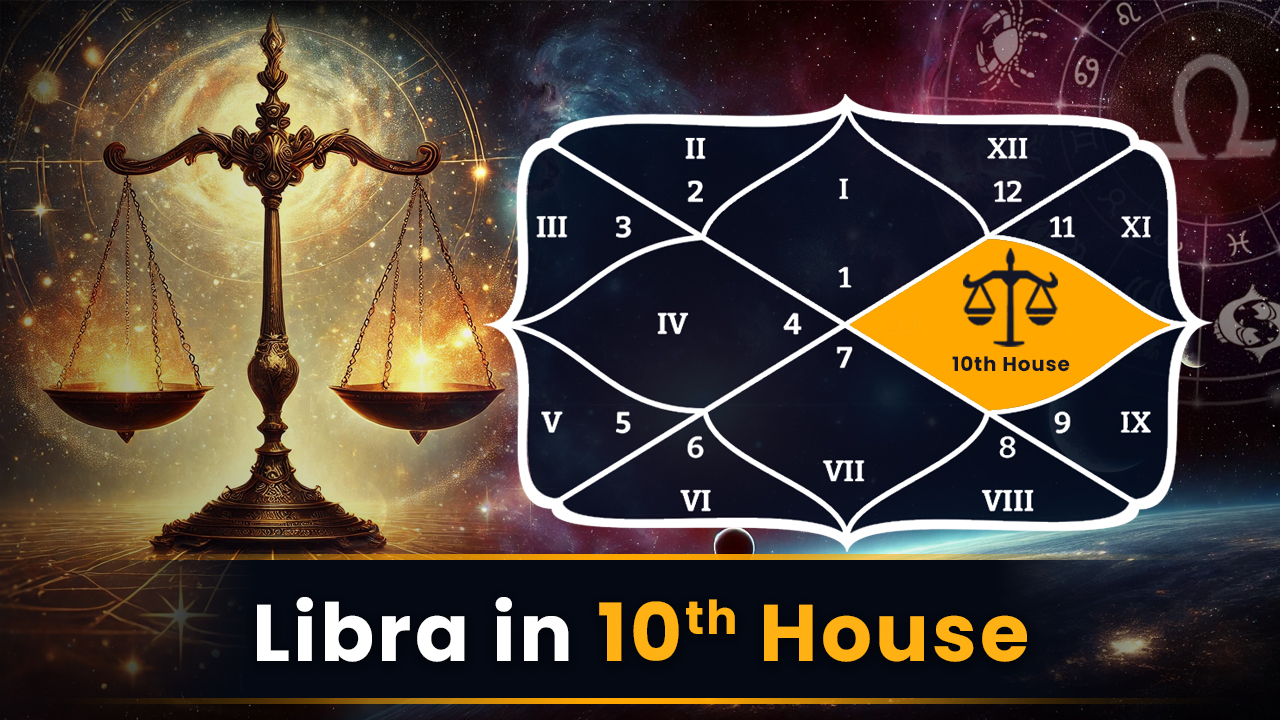
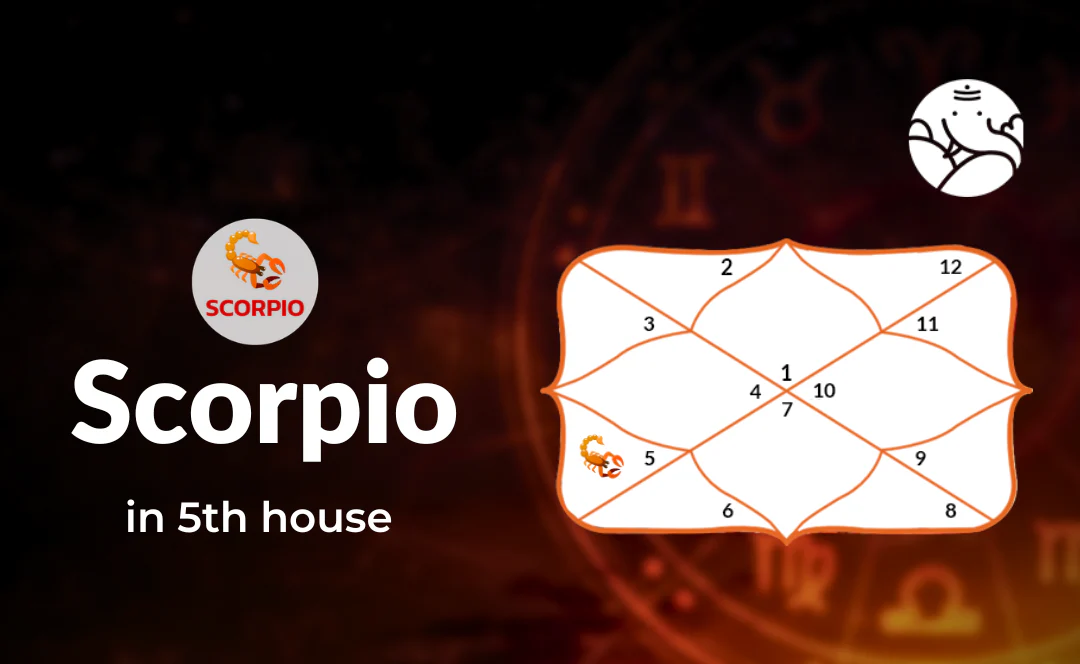
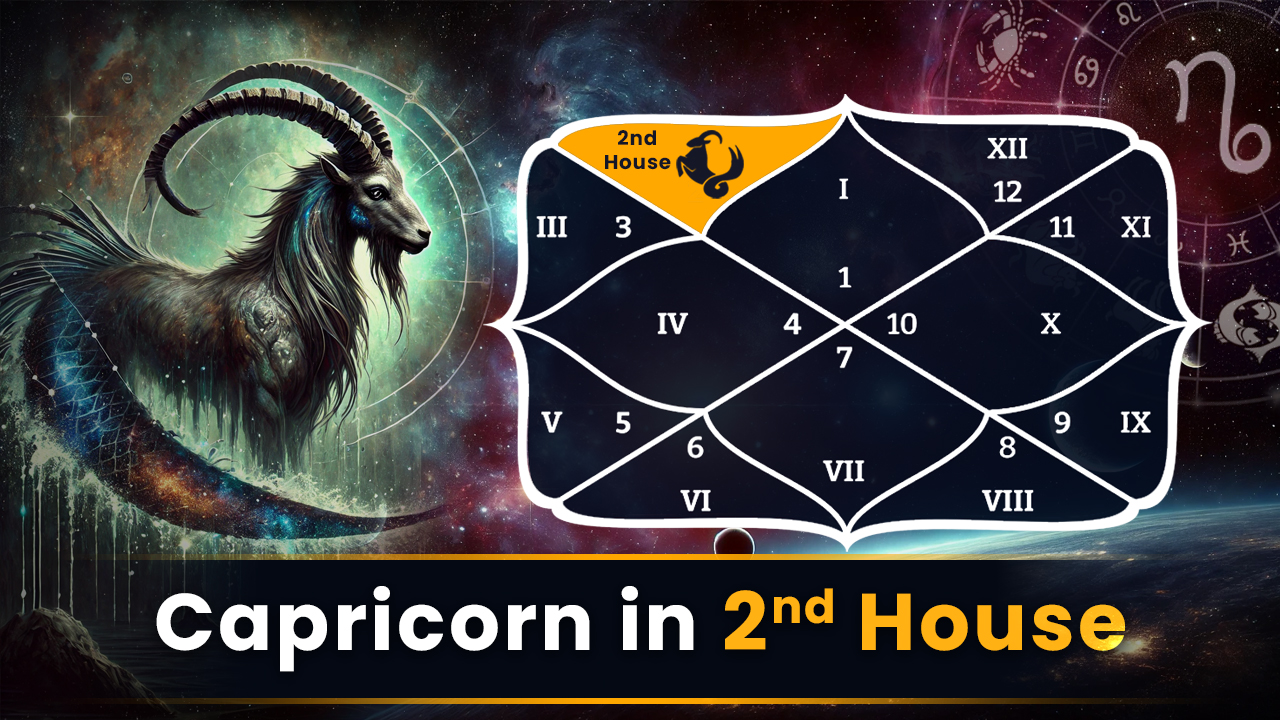
Planetary palmistry doesn’t exist in a vacuum — it’s deeply connected to the astrology you already know and love. Each mount corresponds not just to a planet, but to its associated zodiac signs: the Jupiter mount is linked to Sagittarius and Pisces, Saturn to Capricorn and Aquarius, Apollo to Leo, Mercury to Gemini and Virgo, Mars to Aries and Scorpio, the Moon to Cancer, and Venus to Taurus and Libra. If you’re a Leo sun, you’ll almost always have a slightly raised Apollo mount, as your sun sign’s energy manifests physically in your hand.
You can also integrate your natal chart insights with your palm markings for even deeper clarity. If your natal chart has Saturn in your 10th house of career, check your Saturn mount and fate line: you’ll likely see markings that confirm you’re meant to build a long-lasting, legacy career, even if you face a few early setbacks along the way.
Even astrological houses map directly to your palm: the top of your palm near your fingers corresponds to your 10th house of career and public reputation, the base of your palm near your wrist is your 4th house of home and family, the edge near your thumb is your 1st house of self, and the opposite edge is your 7th house of partnerships. Marks in these areas carry the same themes as the corresponding houses in your natal chart.
Common Misconceptions and Evidence-Based Perspectives
Like all esoteric practices, planetary palmistry has its fair share of myths and misunderstandings. Let’s break them down:
First, it’s not deterministic. A mark on your fate line that signals career success doesn’t mean you’ll become a millionaire if you sit on the couch scrolling TikTok all day. It just means you have the innate potential for that success — you still have to put in the work to make it happen.
For skeptics, there’s real science behind the value of the practice, even if you don’t buy into the cosmic connection. Research from the Association for Psychological Science shows that symbolic practices like palmistry help people reflect on their values, identify blind spots, and make more intentional choices, even if they don’t believe the markings are literally linked to planets.
It’s also important to watch out for confirmation bias when doing self-readings. It’s easy to only notice the markings that align with what you want to be true, and ignore the ones that point to challenges you don’t want to face. To avoid this, write down everything you see on your palm first, before you look up any meanings.
Finally, be clear that planetary palmistry is an esoteric wellness tool, not a scientific or medical diagnostic method. There are no peer-reviewed studies proving that planetary positions directly shape hand markings, so never use a palm reading to make major health, legal, or financial decisions without consulting a licensed professional.
Resources and Tools for Further Exploration
If you want to dive deeper into planetary palmistry, these trusted resources will help you build your skills:
Recommended books: Start with the classic Language of the Hand by Cheiro, the 19th-century palmist who popularized astrological palmistry in the West. For modern, beginner-friendly guides, try The Book of the Hand by Fred Gettings or Palmistry for Beginners by Richard Webster.
Authoritative websites: The Association For Astrological Networking (AFAN) has a dedicated section on astrological palmistry with free guides and tutorials, and the International Palmistry Society’s website offers certification programs and beginner resources.
Digital tools: The Palmistry HD app is a great starting point for beginners, with step-by-step guides to identifying mounts and lines. The Astropalm app combines palm scanning with natal chart insights for a fully integrated reading.
Communities and practitioners: Check AFAN’s directory to find reputable, certified planetary palmistry practitioners in your area. The r/palmistry subreddit is also a friendly, low-pressure space to share your hand photos and ask questions from more experienced readers — just avoid anyone who charges exorbitant fees or claims they can curse you if you don’t pay, that’s always a scam.
Frequently Asked Questions (FAQ)
Can planetary influences in my palm change over time? Absolutely! Minor lines and the fullness of your mounts shift as you make life choices, build new skills, and go through major life changes. If you start taking on more leadership roles at work, you might notice your Jupiter mount getting plumper over the course of a year or two. If you go through a creative block, your Apollo mount might flatten temporarily until you start making art again.
What if my planetary mounts are flat or underdeveloped? That just means that planetary energy isn’t a core part of your innate personality — you can still cultivate it if you want to! If your Jupiter mount is flat, you can practice taking small leadership roles, like leading a work project or planning a friend’s birthday party, to build that energy over time.
How accurate is a planetary palm reading compared to a standard natal chart? They’re complementary, not competitive. Your natal chart is a fixed blueprint of the energy you were born with, while your palm is a dynamic snapshot of how you’re actively using that energy in your current life. Many people find palm readings feel more personal and relevant to their current circumstances, because they reflect the choices you’ve already made.
Is there a “most important” planet in the hand? No, it depends entirely on what you’re looking for! If you’re focused on improving your relationships, Venus and the Moon are the most important planets for your reading. If you’re navigating a career transition, Saturn and Jupiter will take center stage.
Can I use this for predicting specific future events? It’s much better for identifying themes and potential, not specific, exact events. A mark on your fate line might indicate you’re going to have a major career shift in your 30s, but it won’t tell you the exact date you’ll get a job offer at your dream company.
How do I start practicing planetary palmistry on my own? Start with your own hand! First, figure out your dominant and non-dominant hands, then feel each mount to identify which are the most raised. Look up basic line meanings, take notes, and check back every 6 months to see how your hand changes as you go through life. Join a beginner community to ask questions, and don’t stress about being perfect — it’s all about self-exploration, not getting every reading 100% right.
References and Further Reading
Foundational texts: Cheiro, Language of the Hand (1897); Fred Gettings, The Book of the Hand: A History of Palmistry (1965); Richard Webster, Palmistry for Beginners (2001).
Historical resources: Encyclopedia Britannica’s entry on the global history of palmistry; JSTOR’s peer-reviewed paper on medieval European astrological palmistry.
Organizational resources: International Palmistry Society, Association For Astrological Networking (AFAN), National Council for Geocosmic Research.
Ongoing study: The Mountain Astrologer magazine regularly publishes features on astrological palmistry, and the Palmistry Review journal offers peer-reviewed content on the history and practice of the craft.