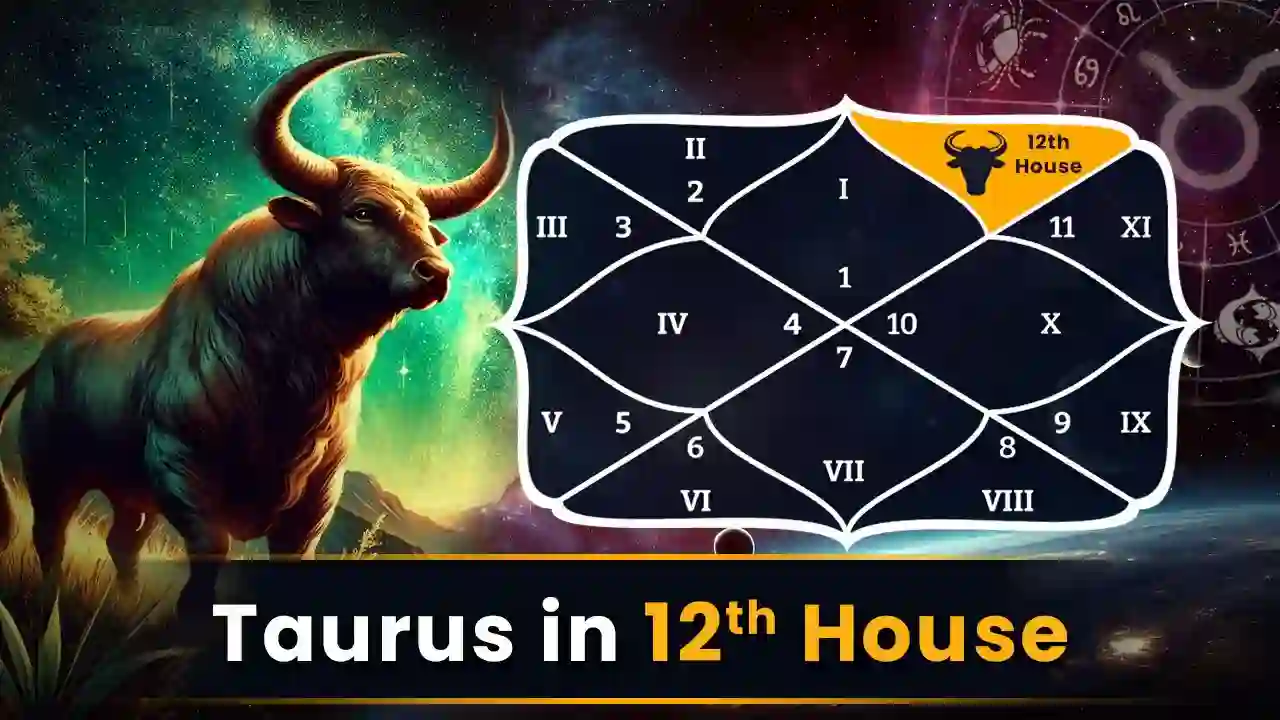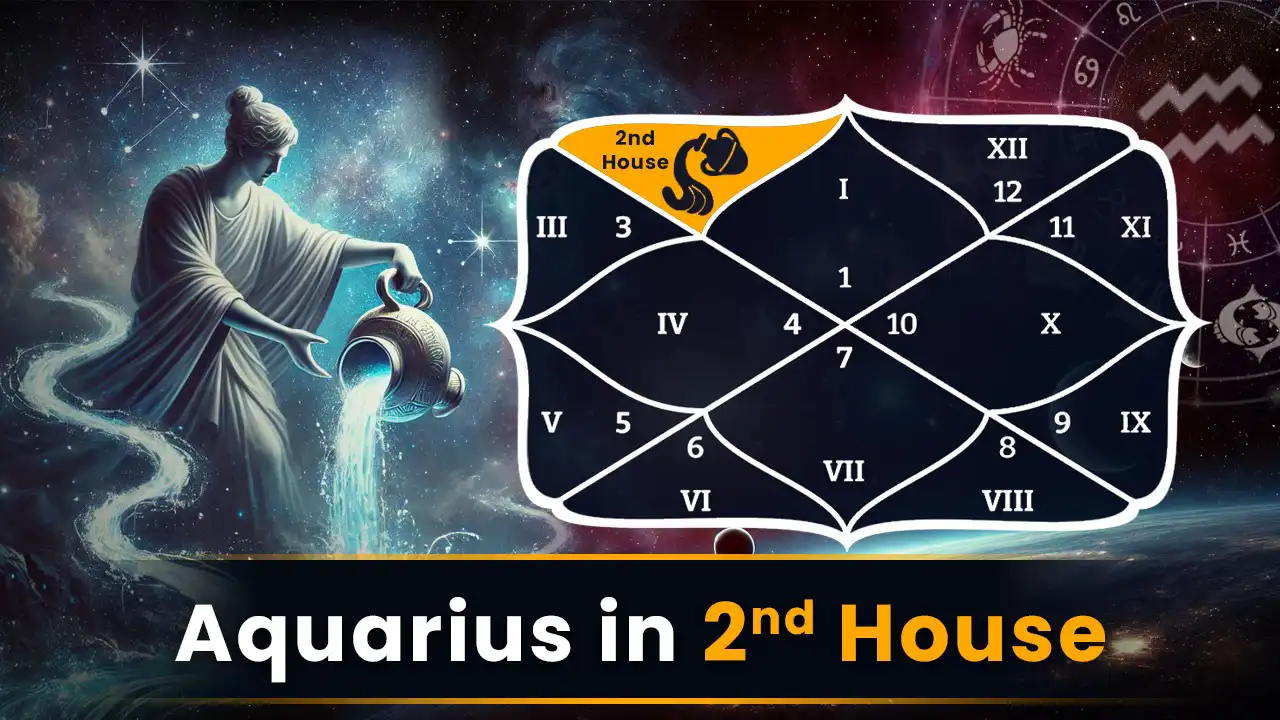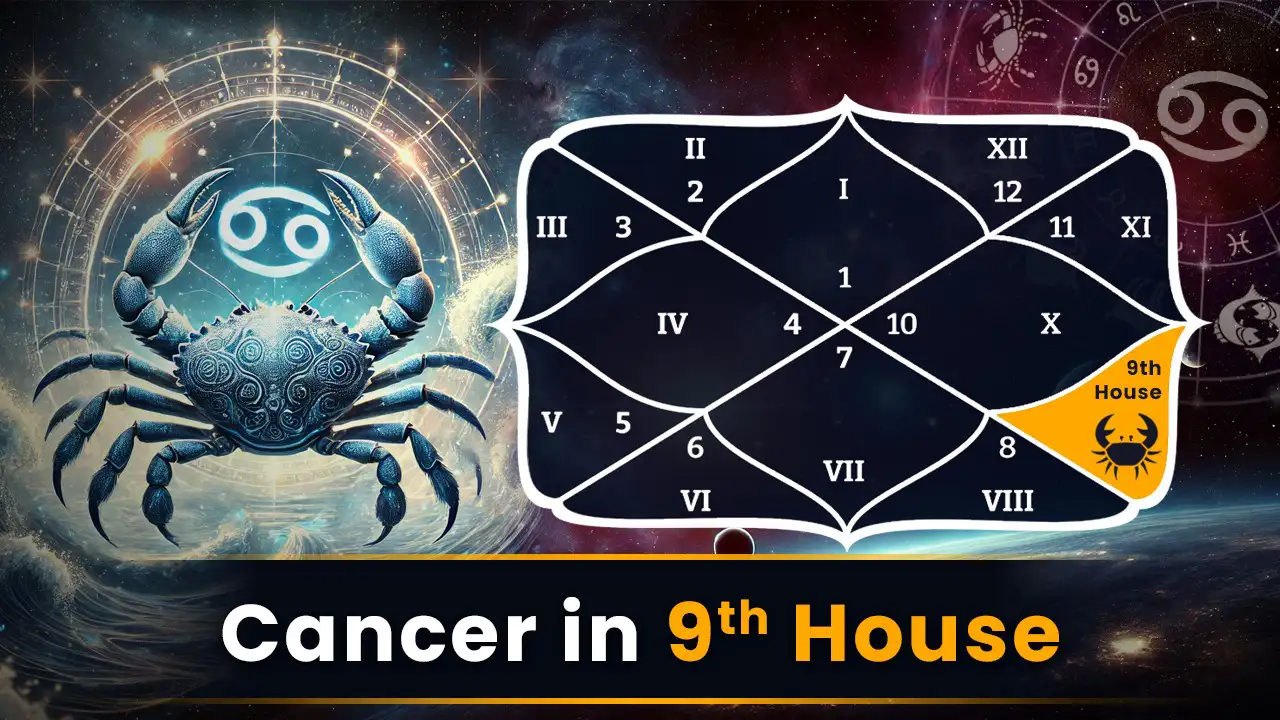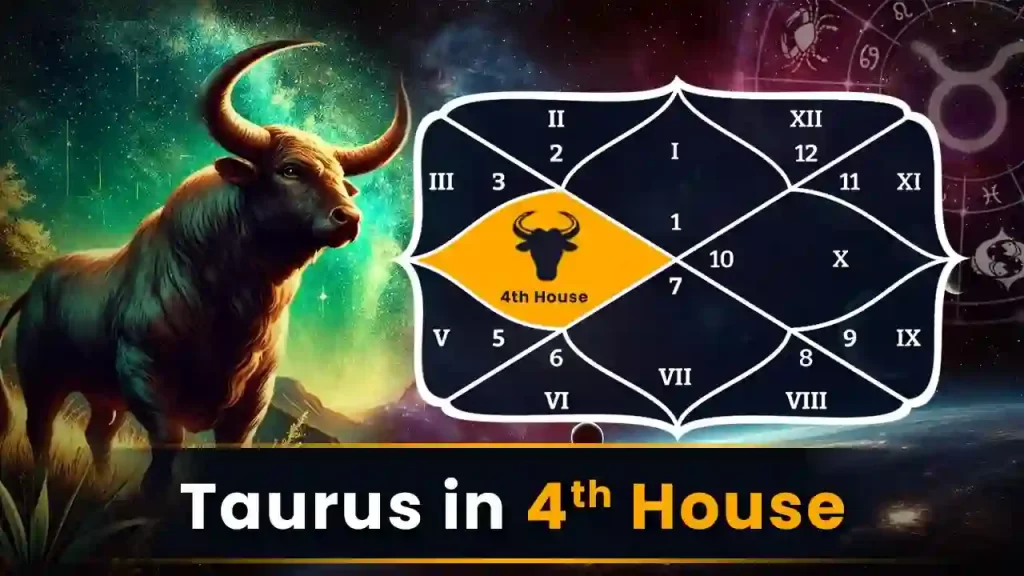
If you’ve ever pulled up your natal chart and wondered why you’re so attached to your childhood couch, refuse to move from your neighborhood even when rent skyrockets, or always have a pantry stocked for a three-week snowstorm, your 4th House in Taurus placement might be to blame (or thank, depending on how you look at it). Astrology’s house and sign combinations are like pairing your favorite comfort food with the perfect drink: some blends just click, and this one is all about building a life that feels as safe, warm, and reliable as your go-to weekend sweatpants. In this guide, we’re breaking down exactly what it means to have Taurus energy ruling your 4th House of home, family, and emotional roots, plus how to leverage this superpower (and navigate its very relatable flaws) to build a life that fits your true nature.
Overview of the 4th House in Astrology
Think of your natal chart as a map of the sky the moment you were born, split into 12 sections each governing a different area of your life. The 4th House is the lowest point of that chart, also called the Imum Coeli (Latin for “bottom of the sky”), and it’s your most private, intimate domain. It rules your roots: ancestry, childhood memories, the version of you that only comes out when you’re alone or with your closest loved ones, and the physical and emotional space you call “home.”
Ruled by the Moon and traditionally associated with the sign of Cancer, the 4th House is the literal and metaphorical foundation of your entire chart. If your 4th House is out of alignment, every other area of your life – from your career to your romantic relationships – will feel wobbly, too. It governs everything from your dynamic with your family to your approach to real estate, renting vs. buying, and how you process grief or big life changes.
Characteristics of the Taurus Zodiac Sign
Taurus is the fixed earth sign of the zodiac, represented by the bull, and if you know a Taurus, you know their vibe: steady, practical, stubborn as hell, and very, very good at enjoying the good stuff in life. Key Taurus traits include patience, determination, sensuality, and a refusal to rush anything that matters. They’re the friends who will show up with soup and a blanket when you’re sick, and the people who will argue with you for three hours about the correct way to make chili.
As an earth sign, Taurus is grounded in the tangible, physical world, and as a fixed sign, they hate change and value consistency above almost everything else. Ruled by Venus, the planet of love, beauty, and value, Taurus has an eye for high-quality, long-lasting items, and they prioritize comfort over flash every time. Their core motivation? To build, secure, and enjoy the tangible parts of life: good food, soft fabrics, a reliable car, a home they can call their own, and relationships that stand the test of time.
Interpretation of Taurus in the 4th House
When you combine Taurus’s earthy, steady energy with the 4th House’s domain of home and roots, you get a placement that’s all about building a rock-solid, comfortable emotional and physical foundation. For people with this placement, safety isn’t an abstract concept – it’s a well-stocked pantry, a paid-off mortgage, a weekly family dinner routine, and a couch you can nap on for hours without getting a back ache.
This placement is part of your core identity, even if you don’t consciously notice it. You might spend your 20s trying to be the spontaneous, travel-every-month friend, but you’ll always end up craving a permanent base to come back to. Your deepest need is to feel rooted, and you have a natural talent for creating that sense of root for yourself and the people you love.
Impact on Stability and Security
For 4th House Taurus folks, security is non-negotiable, and it’s almost always tied to the physical world. You’re far more likely to prioritize home ownership than your peers, and you probably see real estate as the safest, most reliable investment you can make. You’re the person who has a separate emergency fund specifically for home repairs, and you’d never skip an inspection to buy a house faster, no matter how much you love the kitchen.
You thrive on routine and predictability, and familiar rhythms make you feel safe. That could be a weekly Sunday brunch with your family, the same coffee order every morning on your way to work, or a holiday tradition you’ve kept for 20 years. You’re also a pro at putting down deep, enduring roots: you might live in the same city for your whole life, keep the same group of friends since high school, and have relationships with your neighbors that span decades. Transient life just doesn’t appeal to you – you want to build something that lasts.
Influence on Home and Family Life
Your home is your sanctuary, and you put a lot of effort into making it feel exactly right. Forget the cold, all-white minimalist Instagram aesthetic you see online – your ideal home is lived-in, comfortable, and full of sensory joys: soft throw blankets, scented candles, a well-stocked kitchen with high-quality cookware, plants that you’ve kept alive for years, and marks on the wall from when your kids (or pets) were growing. You don’t care if your furniture matches, as long as it’s comfortable and built to last.
When it comes to family, you’re fiercely loyal, and you show your love through tangible support: you’ll help your sibling save for a down payment, show up with groceries when your friend has a baby, or let your cousin crash on your couch for three months rent-free when they’re between jobs. The only downside? You can be a little possessive of your loved ones, and you might take it personally if a family member moves across the country or changes a beloved holiday tradition. If you’re a parent, your parenting style is all about consistency: you keep a predictable routine, teach your kids the value of hard work and reliability, and make sure they always have a warm meal and a safe place to land. If you grew up with this placement, your parents likely provided a very stable, comfortable childhood, though they may have been stubborn about change or overly focused on material success.
Effects on Emotional Security and Well-being
Your emotional resilience is unmatched, but you work on your own timeline. You don’t rush to process feelings or make big decisions, and you take your time to grieve, heal, or adjust to change. People might call you slow to react, but that steady approach means you rarely make impulsive choices you regret later. When it comes to close relationships, you have a secure attachment style: you’re loyal, consistent, and you don’t play games, and you expect the same from the people you love.
Of course, this placement comes with its challenges. You can be extremely resistant to change, even when it’s good for you: you might drag your feet for months about moving for a better job, or refuse to talk through a family conflict because you don’t want to rock the boat. You also might fall into the trap of equating emotional security with material possessions: if you lose your job or have to sell your house, you might feel like your whole world is falling apart, even if you still have your loved ones around you.
Practical Implications for Personal Growth
The best way to make the most of this placement is to lean into your natural strengths first. Your ability to build stable, safe spaces is a superpower: you can host regular community potlucks in your home, create a safe space for queer youth in your area, or help your friends learn how to budget for their first home. You’re the rock of your friend group and family, and that’s a huge gift to the people around you.
When it comes to navigating challenges, start small. If you struggle with change, try one tiny new thing a month: rearrange your bookshelf, try a new recipe for your weekly family dinner, or take a different route on your daily walk. These small shifts will help you build emotional flexibility without feeling overwhelmed. It’s also helpful to remind yourself regularly that your worth isn’t tied to your material possessions: even if your house is smaller than you want, or your furniture is secondhand, you still have a solid foundation of love and loyalty around you.
For big life transitions – like moving, a family death, or a relationship ending – bring small, familiar items with you to keep that sense of security: your favorite mug, a blanket from your childhood, or a photo album of happy memories. These small tangible items will help you feel grounded while you adjust to the new normal.
Related Astrological Concepts
Your 4th House Taurus energy will be heavily influenced by the position of Venus, Taurus’s ruling planet, in your chart. If your Venus is in Leo, your home might be full of bold art, statement pieces, and space to host big parties. If your Venus is in Virgo, your home will be super organized, functional, and free of clutter. If your Venus is in Pisces, you’ll prioritize soft fabrics, spiritual items, and cozy, moody lighting.
Planetary aspects to your 4th House cusp or ruler will also modify this energy. If Saturn is aspecting your 4th House, you might have had a chaotic childhood, and you’ll have to work extra hard as an adult to build the stable home you never had. If Jupiter is aspecting your 4th House, you’ll get lucky with real estate: you might inherit a home, find a perfect apartment for way under market value, or make a big profit on a house flip. If Uranus is aspecting your 4th House, you’ll have unexpected moves or family changes that force you to practice flexibility, which can be frustrating at first, but will help you grow in the long run.
Compared to other signs in the 4th House, Taurus is far more focused on physical, fixed stability. A Cancer 4th House person can feel at home anywhere as long as their loved ones are with them, while you need a permanent physical space to call your own. An Aquarius 4th House person might live in a van or a communal house and move every year, which sounds like a nightmare to you.
Frequently Asked Questions (FAQ)
Is having Taurus in the 4th House a good placement? For most people, yes! This is an incredibly supportive placement that gives you a natural talent for building a stable, comfortable life for yourself and your loved ones. The only downsides are stubbornness and resistance to change, which are very manageable with a little intentional work.
Does this mean I will be wealthy or own a home? Not necessarily, but you are far more likely to prioritize home ownership and long-term financial stability than people with other 4th House placements. If owning a home is a goal for you, you have a natural leg up, because you’re willing to save for a down payment for years instead of spending that money on short-term pleasures. Other parts of your chart (like your 2nd House of finances) will play a bigger role in your overall wealth, though.
How does this placement affect my relationship with my mother/father? Most people with this placement have very loyal, stable relationships with their caregivers, who likely provided a consistent, comfortable home growing up. If there are challenging aspects to your 4th House cusp, your parents may have been overly stubborn, resistant to change, or focused too much on material success over emotional connection.
What if I have planets in Taurus in the 4th House? That amplifies the Taurus energy of your 4th House! If you have Venus there, your home will be even more beautiful and welcoming, and you’ll be even more nurturing to your loved ones. If you have Mars there, you’ll be fiercely protective of your home and family, and you might love home renovation projects. If you have Pluto there, you’ll go through big, transformative shifts around your home and family life, like rebuilding your relationship with your parents as an adult or completely renovating a fixer-upper.
How can I make the most of this placement in my life? Lean into your natural talent for building stability: create a home that feels uniquely yours, prioritize long-term financial planning for your housing goals, and use your space to host and take care of the people you love. Practice small acts of flexibility regularly to avoid getting stuck, and remind yourself that emotional security comes from more than just material things.
Further Reading and Resources
If you want to dive deeper into this placement, we recommend starting with two classic astrology books: The Only Astrology Book You’ll Ever Need by Joanna Martine Woolfolk, which has a great breakdown of house and sign combinations, and Houses of the Horoscope by Stephen Arroyo, which explores the 4th House in extensive detail.
For authoritative online resources, Astro.com is the gold standard for free, accurate natal chart generation, used by amateur and professional astrologers worldwide. The Astrology Podcast, hosted by Chris Brennan, has multiple deep-dive episodes on the 4th House and Taurus placements that are accessible for beginners and experienced astrology fans alike. If you want to learn how to read charts yourself, Astrology University offers in-depth, accredited courses on house placements and core astrological concepts.
For next steps, consider booking a full natal chart reading with a professional astrologer to see how your 4th House Taurus placement interacts with the rest of your chart. You can also explore your Moon placement to get even deeper insight into your emotional needs and patterns.
Conclusion
At the end of the day, your 4th House in Taurus is all about one core thing: building a foundation that feels authentically you. You have a rare gift for creating spaces, relationships, and lives that are stable, comfortable, and built to last, even when the world around you feels chaotic. The stubbornness and resistance to change that come with this placement aren’t flaws – they’re just part of your drive to protect the things and people you love most. By leaning into your natural strengths and practicing small acts of flexibility, you can build a life that’s not only secure, but deeply fulfilling, rooted in exactly what makes you feel safe and happy.